Sprint Triathlon | 16-Week First Finish | 750m Swim · 20K Bike · 5K Run
SPRINT TRIATHLON | 16-WEEK FIRST-FINISH PROGRAM | SWIM 750 m + BIKE 20 km + RUN 5 km THE PROMISE A structured, realistic, non-competitive plan for adult recreational athletes preparing for their FIRST standard sprint-distance triathlon (750 m swim, 20 km bike, 5 km run). The aim is to complete the event confidently and safely; no target finish time, pace, injury-free outcome or guaranteed completion. Training is deliberately majority easy, progressively specific, and includes two swims, two rides, two runs (one short brick after cycling), regular transition rehearsal and optional strength/mobility. Each programmed workout includes execution steps for use in compatible sports-watch ecosystems where supported. PREREQUISITES — CRUCIAL NOT designed for a total non-swimmer or fully sedentary person. At entry, you should already be able to swim 200 m comfortably and safely using a breathing technique you can sustain in a supervised pool, ride a bicycle for 40–45 minutes on safe terrain, and perform 15–20 minutes of easy run/walk without warning symptoms. You also need safe access to a pool, roadworthy bicycle, a properly fitting helmet and suitable running shoes. If you cannot meet any prerequisite, work on that foundation FIRST (including qualified swim instruction if appropriate) rather than forcing this plan. Anyone with cardiovascular symptoms, chronic illness or relevant medical risk factors should obtain individualized medical advice before beginning. WEEKLY RHYTHM Monday: FULL REST. Tuesday: swim A (technique, easy aerobic); Wednesday: easy run or run/walk; Thursday: cycling (aerobic, handling, smooth cadence); Friday: swim B (endurance, open-water skills simulated in pool); Saturday: easy endurance cycling followed by a SHORT BRICK run (usually 2–10 minutes after dismount, not later in the day; adjust the calendar timestamps to your actual schedule). Sunday: OPTIONAL mobility and functional strength note, or full rest if fatigued. In total: six structured sports sessions, plus one optional non-watch strength entry. Rest is not a weakness. Fit sessions around work, separate hard days and prioritize pool safety. Do NOT make up missed sessions by doubling. PHASES Weeks 1–4 FOUNDATION: two easy swim sessions (technical drills and 25–100 m segments), comfortable bike skills and aerobic riding, gradual running, first short post-bike bricks, Week 4 deload. Weeks 5–8 BASE DEVELOPMENT: improve sustainable freestyle, longer pool repeats, bike endurance, easy jogging and bricks. Week 8 deload. Weeks 9–12 SPECIFICITY: two swims/week building toward long controlled efforts, some modest cadence and steady bike segments (RPE 5–6 at most, never all-out), longer Sunday-equivalent Saturday ride and manageable transition runs; Week 12 deload. Weeks 13–15 RACE PREPARATION: practice a continuous, relaxed 750 m swim in a supervised pool where ready, bike duration safely exceeding anticipated 20 km event duration, run preparation and short brick rehearsals. T1/T2 setup, race checklist, traffic rules and event regulations. Week 15 drops the total workload. Week 16 TAPER AND RACE: two short easy swims, shorter easy bike/run priming, reduce fatigue and finish with separate race-day SWIM 750 m, BIKE 20 km and RUN 5 km entries on the final Sunday. Actual transitions and event duration depend on course conditions. Do not force race day if readiness or health is inadequate. INTENSITY PRESCRIPTION EASY = RPE 2–4/10, full-sentence talk test for bike/run, no fixed speed. The swim uses good stroke mechanics, comfortable unhurried breathing, and deliberate wall rests. Some optional controlled moderate segments are RPE 5–6 only from mid-plan with sufficient fitness. HRmax percentage hints on run/bike are indicative, not individualized: relative heart rate is not a substitute for actual thresholds; no zones, watts or pace are assumed. Never accelerate solely to satisfy a watch alert. For swimming use skill and perceived effort rather than heart-rate targets; wrist optical HR in water is often unavailable or inaccurate. Pool lengths are 25 m; change pool settings to match the actual facility. All swim intervals can be shortened/repeated as needed; prioritize safety. SWIMMING SAFETY Pool sessions assume supervised/lifeguarded water and competent basic swimming. Drills: relaxed breathing, balance, body alignment, smooth exhale underwater, light catch-up practice, occasional brief sighting by looking forward while remaining able to breathe normally. DO NOT use prolonged breath-holding, underwater swimming challenges or hypoxic sets. Never practise open water alone. If the race uses open water, arrange supervised/group practice with an experienced leader, assess water temperature, currents, visibility, weather and water quality, and wear an appropriate bright buoy/wetsuit as local rules permit. If new to open water, choose an event with a POOL swim or take lessons. Do not assume a wetsuit ensures flotation or safety. CYCLING SAFETY Wear an approved helmet whenever riding, obey traffic laws and event-specific drafting rules, use a roadworthy bicycle and practise signalling, braking, cornering, drinking safely and dismounting. On indoor trainer, follow time/RPE not distance. No freewheeling through unsafe intersections for the sake of a workout. Running off the bike is a skill workout, not an opportunity to sprint. BRICKS / TRANSITIONS Bricks are short easy runs IMMEDIATELY after Saturday cycling (typically 2–10 min after dismount). The planned time shown in the calendar is a display placeholder; bring the run start forward after your ride if needed. Always secure your bicycle safely and change footwear before jogging. Practise T1 swim-to-bike dry transitions and T2 bike-to-run at home or designated safe spaces, not in traffic. Do NOT run with your bicycle or mount/dismount outside legal event zones. In race week, practise the order of equipment rather than adding demanding sessions. STRENGTH & MOBILITY Each Sunday note prescribes easy optional strength: bodyweight squat/sit-to-stand, glute bridge or hip hinge, calf raise, step-up, dead bug/bird-dog, side plank and single-leg balance. Begin 1 set of 6–10 reps, progress to 2 controlled sets as comfortable, avoid muscle failure, heavy leg DOMS or risky technique. Taper weeks: mobility only or rest. No personalized injury claims. DEL0ADS / RED FLAGS Weeks 4, 8 and 12 reduce volume. Weeks 15 and 16 taper. Sleep, daily energy and local pain determine whether to progress. Repeat the previous week whenever the new load feels excessive. If pain changes gait/stroke, significant fatigue accumulates or any injury symptoms persist, stop and seek appropriately qualified advice; do not train through acute pain. For chest pain, faintness, severe unexplained breathlessness or concerning neurological symptoms, stop immediately and seek urgent medical care. NUTRITION / HYDRATION Most short easy sessions require only normal meals and hydration according to thirst; don't overhydrate. For longer rides, test comfortable food and fluid options under similar temperature conditions, with no novelty on race day. Avoid blanket supplement or sodium dosing. During the race follow familiar strategies and race rules; check event cutoffs, wetsuit requirements, local course safety and swim conditions. Consider race cancellation/postponement if conditions are unsafe. RACE EXECUTION SWIM 750 m: conservative start, room for other swimmers, follow marked course, sight as required, stop and signal for assistance if in distress. T1: controlled exit; bike helmet secured before touching/mounting the bicycle, obey designated lines. BIKE 20 km: ride defensively, consistent comfortable effort, no uncontrolled descents or illegal drafting. T2: safely dismount in correct zone, rack bike, remove helmet when permitted, change shoes. RUN 5 km: first kilometer especially easy; run/walk as needed; finish within personal capacity or stop if needed. COMMERCIAL DISCLOSURE This AI-assisted plan is a general educational training template, not individual coaching, medical advice, certification, performance guarantee, or endorsement by a sports federation. The publisher is responsible for checking all sessions, matching the plan description to the actual contents, consumer rights, tax compliance and platform terms. Authoritative reference for sprint distances: World Triathlon (triathlon.org/agegroup). Open-water safety guidance: USA Triathlon (usatriathlon.org).
Training phases:
Foundation
Build
Tapering
Plateau
Foundation The foundation phase takes care of the important basic endurance and subsequently prepares the basis for further more specialised training phases.
Build In the build-up phase, volumes are increased and specialised units are added. The build-up phase takes the momentum of the foundation phase, builds on it and leads purposefully to the intensive phase or the seasonal plateau.
Tapering Race preparation is characterised by reduced volumes and tapering. Sometimes special training sessions are added to increase efficiency.
Plateau In the seasonal plateau, the important competitions are held, for which the other training phases were used for targeted training. The strenuous competitions are given weight through sufficient recovery, while the next competition is prepared for with training sessions that keep up the form.
Zone type:
Heart rate
Heart rate The intensities and efforts of the plan are based, among other things, on the heart rate during training. A heart rate monitor is required.
Performance level: Beginners
Beginners Newcomers or those returning to endurance sports will find this plan a suitable composition.
Applicability: Only the buyer
Only the buyer The plan may only be applied to the calendar of the training plan buyer. However, this can be done an unlimited number of times.
License: Tredict sales licence
Tredict sales licence This training plan is subject to the copyright of the training plan creator. The training plan may not be published, copied or redistributed without authorisation. The use of this training plan is limited to you or, if the right is granted in the properties of the training plan, to your athletes. Link to licence description
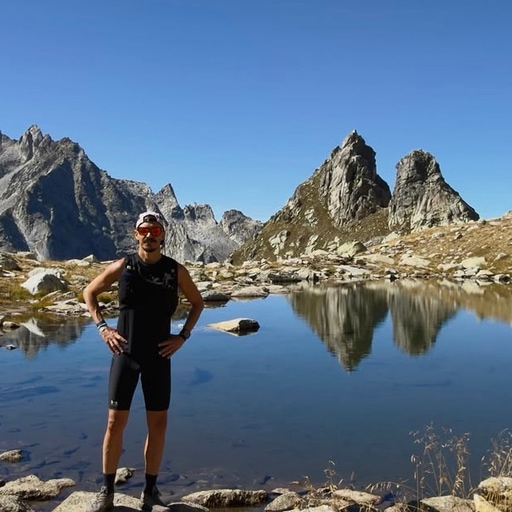
Vlad Endurance & Triathlon
I'm a skyrunner, hybrid athlete and triathlete with a strong passion for endurance sports, mountain adventures and pushing physical limits…
Including 2 weeks right of return!
Price: 15 €
Purchase this plan

The intensity calculation of this training plan works on the basis of your measured heart rate. A heart rate monitor, e.g. a chest strap or an optical heart rate monitor on the wrist, is required when exercising. Tredict supports most modern sensors and training devices.

Learn more about Tredict with the glossary or read the blog.

Capacity values briefly explained
HRmax: The maximum heart rate your heart can deliver under very heavy load.

FTPa: Functional Threshold Pace - The maximum speed you can maintain for about an hour.

FTP: Functional Threshold Power - The maximum wattage you can maintain for about an hour.

The relative intensity values of a training session are converted into your personal absolute intensity values when using the plan, based on the capacity values. 70% HRmax thus become 140bpm, if your maximum heart rate in the capacity values is set to 200bpm.
Tredict's intensity calculation is based on the training duration, so the distance of the training plan changes according to your personal FTPa.
Create your own training plans.

Create your own training plans with Tredict.

Sell training plans via our platform or release your training plan under a "Creative Commons" licence.

Register now

Designed to sustain your endurance.